
Letterpress, Foil, Embossing... What Does It All Mean?
If you've started looking at wedding invitations, you've probably come across words like letterpress, foil, embossing, digital printing and die cutting.
And unless you happen to work with paper for a living, you’re probably a bit confused about what they all mean. And more importantly, should you get them all?
So, let's talk about them.
Digital Printing
Let's start with the one you're probably most familiar with.
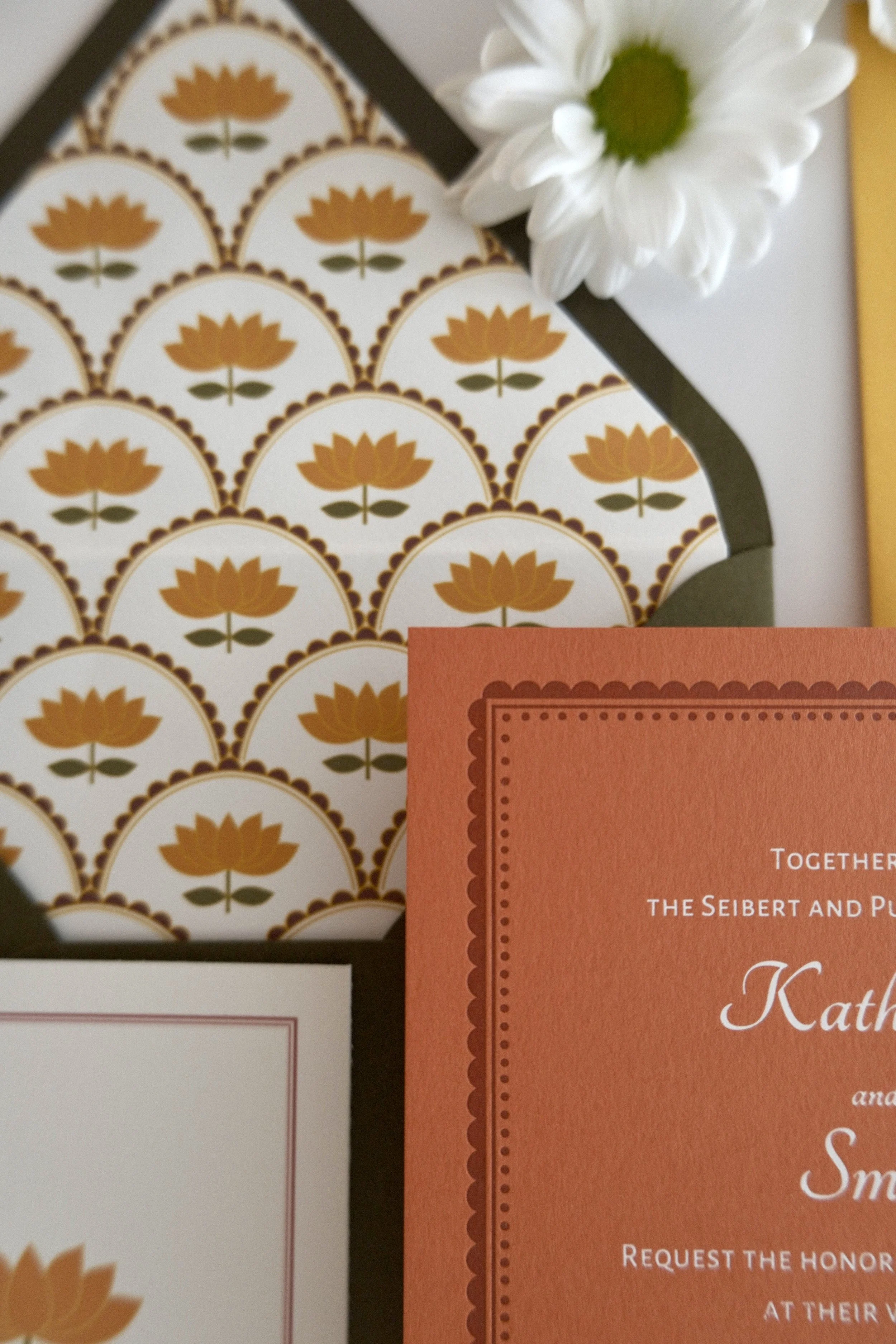
Digital printing is essentially what it sounds like: your design is printed directly onto the paper using a digital printer.
It's particularly good for designs with lots of colours, illustrations, photographs or fine details.
Best for: colourful designs, illustrations, fine details and keeping production costs lower.
Letterpress
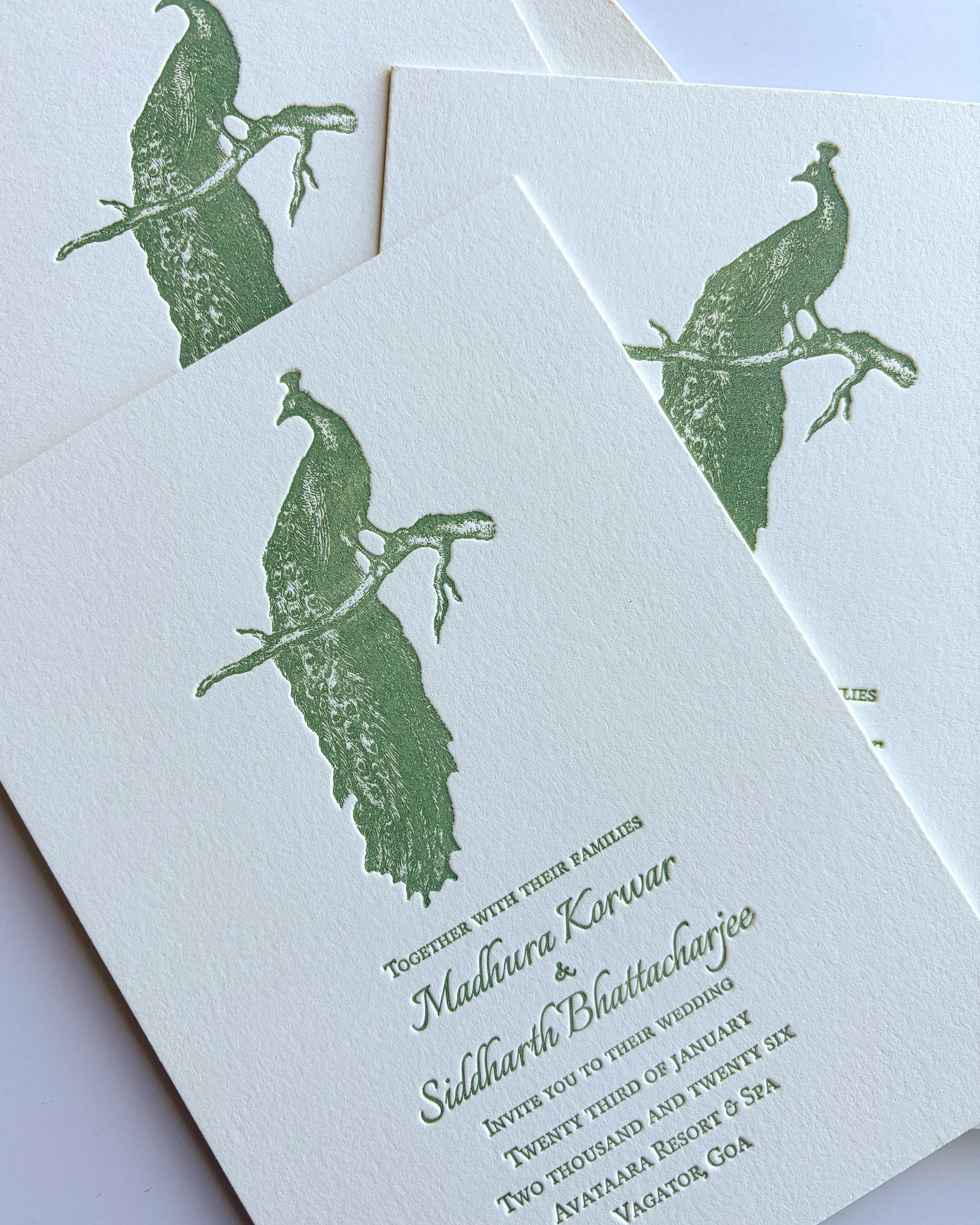
I will always be biased towards letterpress, and I will ALWAYS recommend it. But that’s just me; don’t let me tell you what to do.
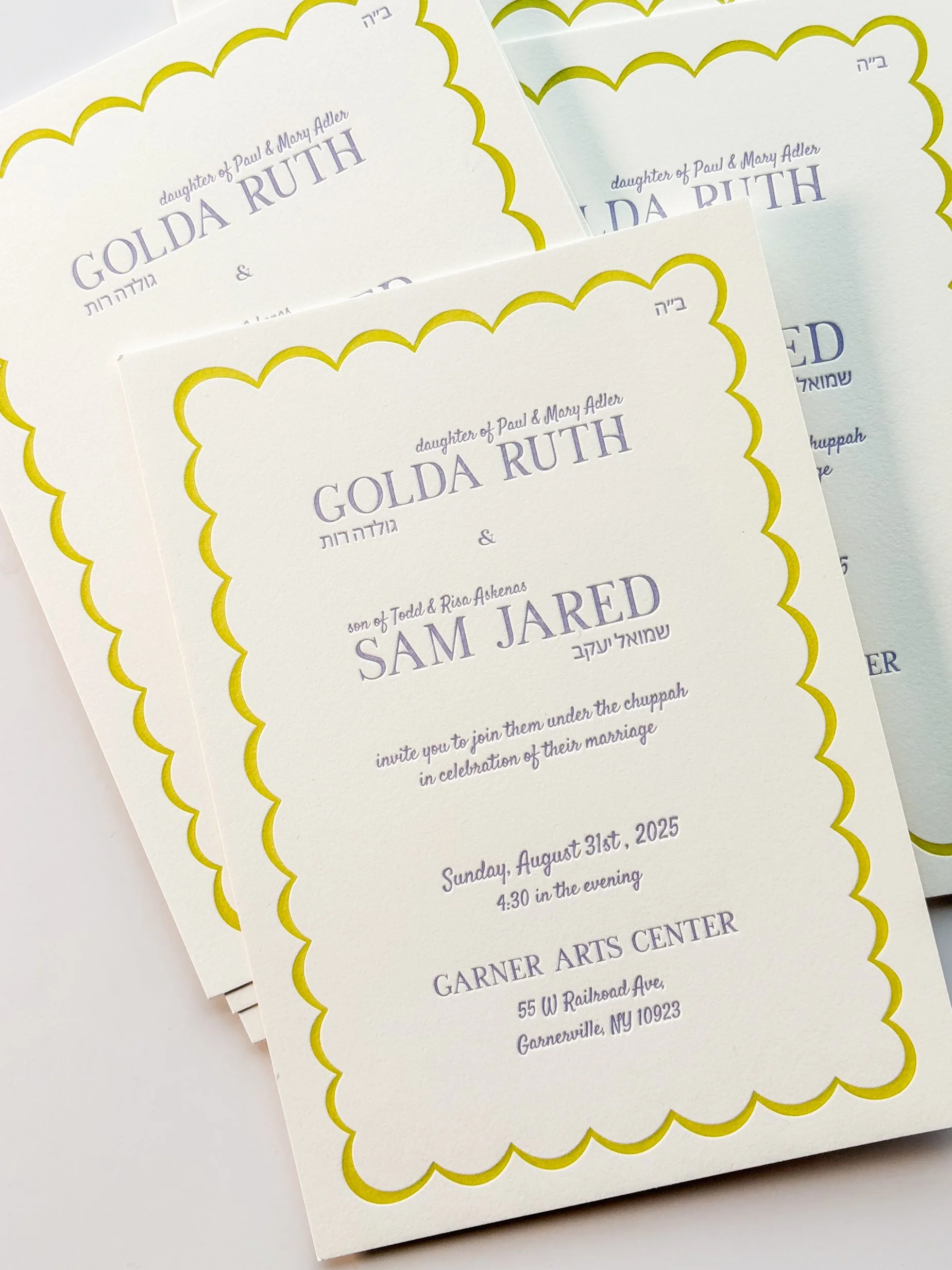
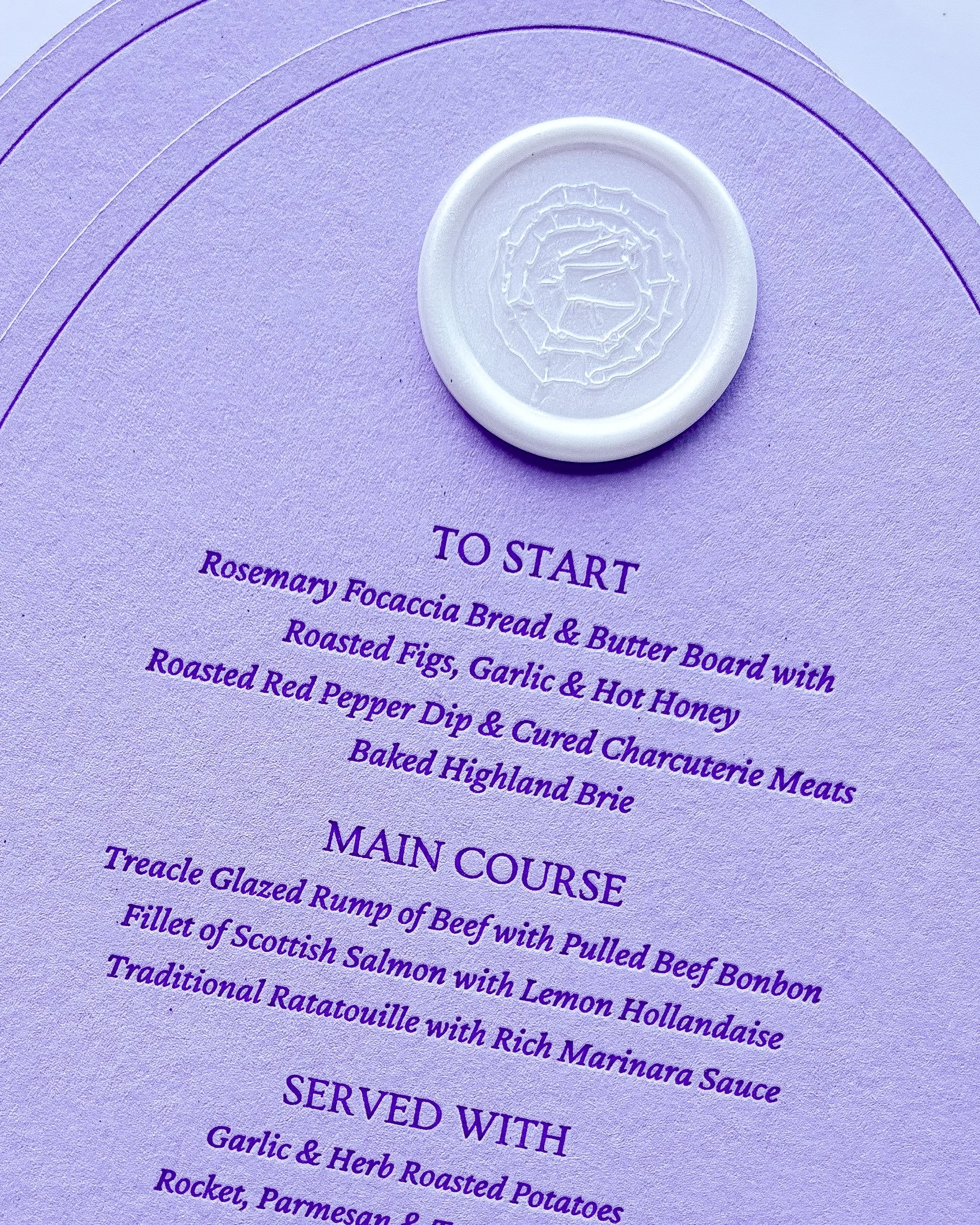
Very simply put, letterpress is when your design is physically pressed into the cardstock, creating an impression you can actually see and feel. It gives the paper that beautiful, tactile quality that you just don’t get with standard printing.
Letterpress particularly shines on thick, soft papers like cotton cardstock, which allow for a deeper impression.
Best for: (everything!) typography, line art, minimal designs and anyone who wants that beautiful tactile impression.
Blind Debossing
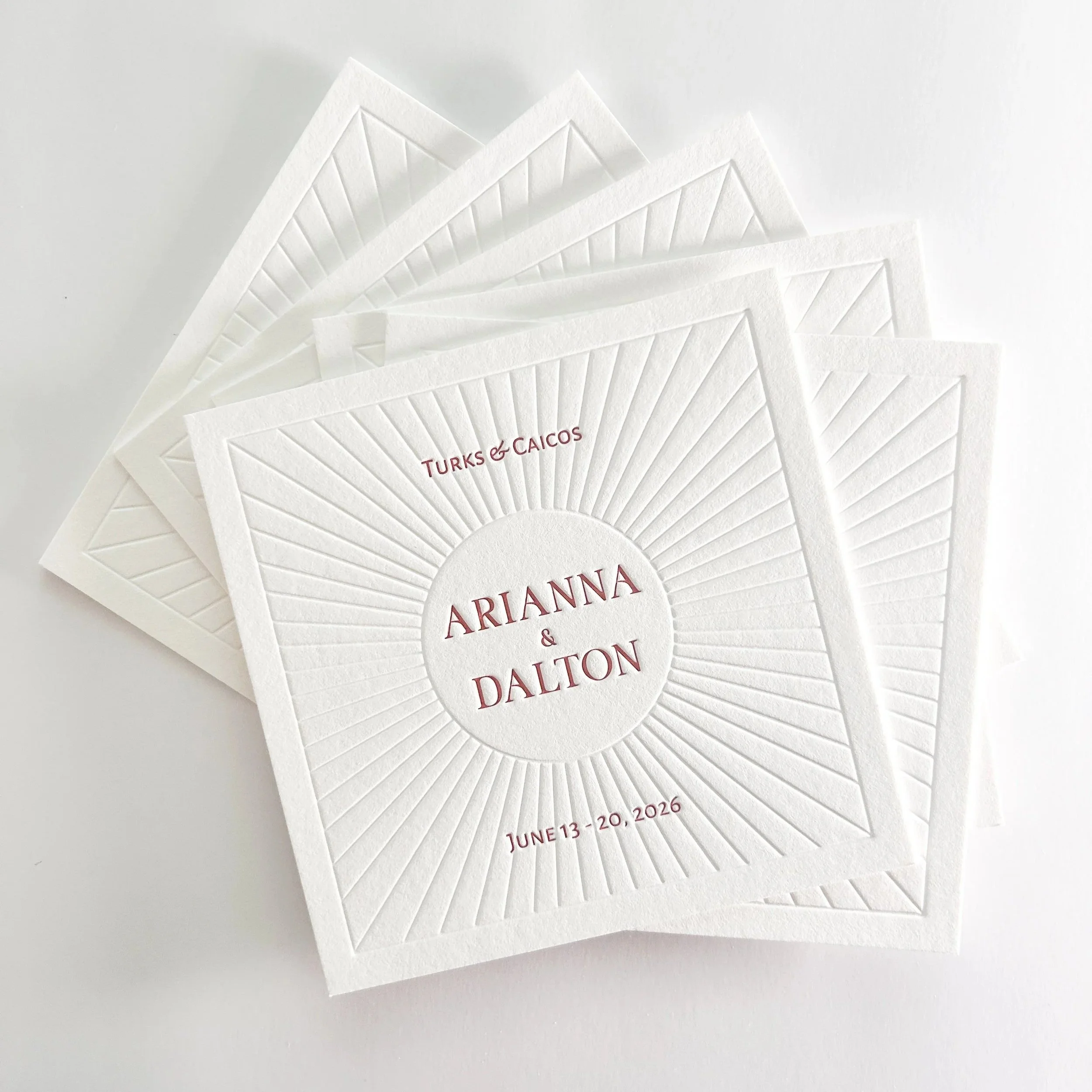
Blind debossing is basically letterpress without ink. Which is why it is also called blind letterpressing.
A design is pressed into the paper, creating an impression purely through depth and shadow.
It's particularly lovely when you want to add texture without making the design feel busier.
Best for: subtle patterns, borders, monograms and texture.
Foil Printing
Foil uses heat, pressure and a custom metal die to press metallic or pigmented foil onto the paper.
Unlike metallic ink, foil reflects light, which gives you that unmistakable shine.
Gold is probably what immediately comes to mind, but foil comes in an enormous range of colours and finishes—from silver and copper to matte, holographic and coloured foils.
Best for: metallic details, monograms, typography and designs that need a little shine.
Embossing
Embossing is essentially the flip side of letterpress. While letterpress presses a design into the paper, creating an indentation, embossing does the opposite. It creates a raised design on the paper’s surface.
Instead of ink, two dies work together to push the paper into shape, leaving you with a three-dimensional impression.
One thing to note is that embossing affects both sides of the paper. If the design is raised on the front, you’ll see the corresponding indentation on the back. With letterpress, the impression doesn’t necessarily come through to the other side.
It can also be completely inkless—known as blind embossing—which creates a wonderful texture.
It's one of those finishes you sometimes don't fully appreciate until you hold it in your hands.
Best for: monograms, crests, borders and adding interest through texture.
Die cutting
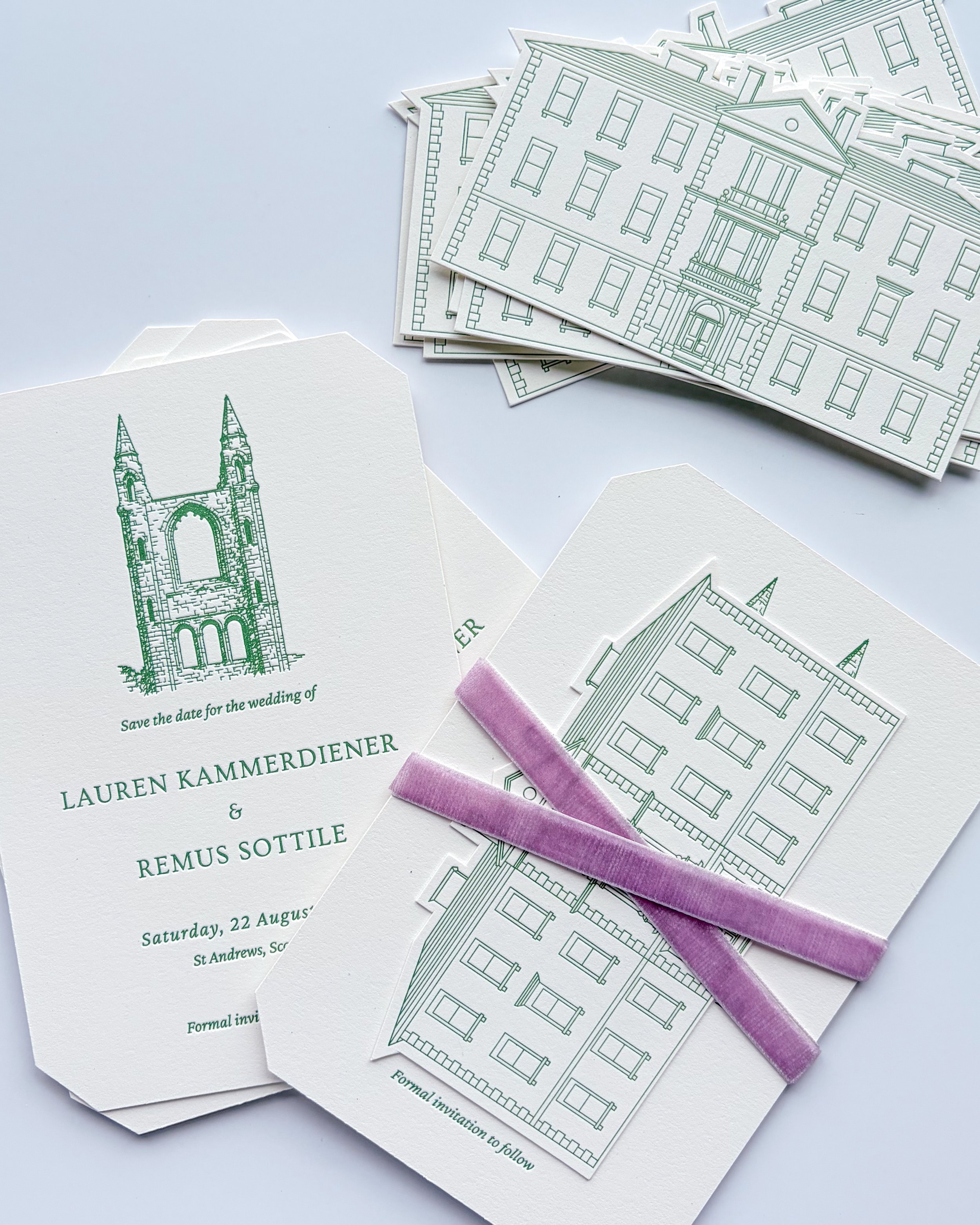
Technically, die cutting isn't a printing method at all.
But it gets mentioned alongside them so often that it deserves a place here.
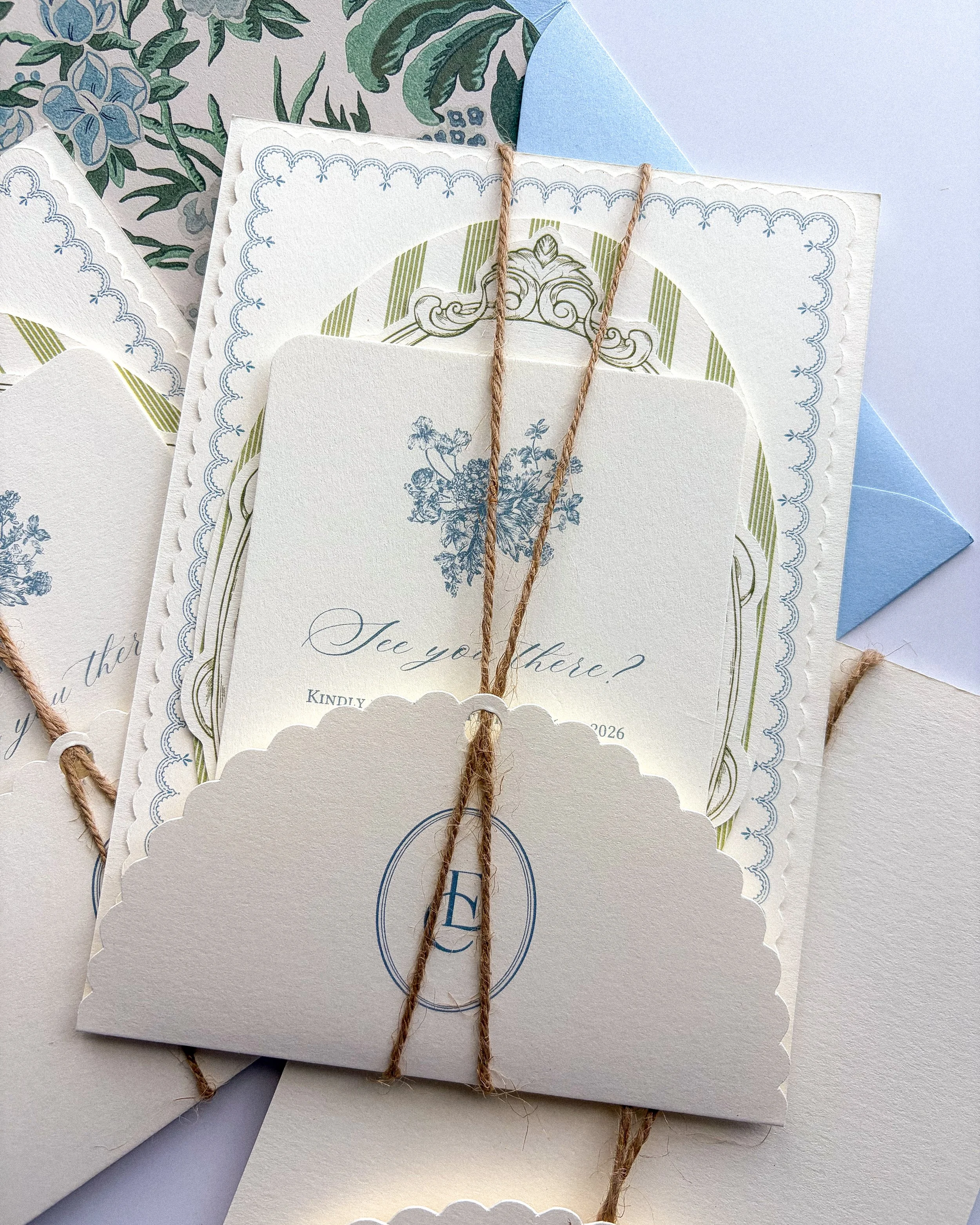
A custom metal die can be created to cut paper into arches, waves, ovals, scalloped edges or completely custom shapes.
Think of printing as determining what goes onto the paper, while die cutting determines the shape of the paper.
What should you choose?
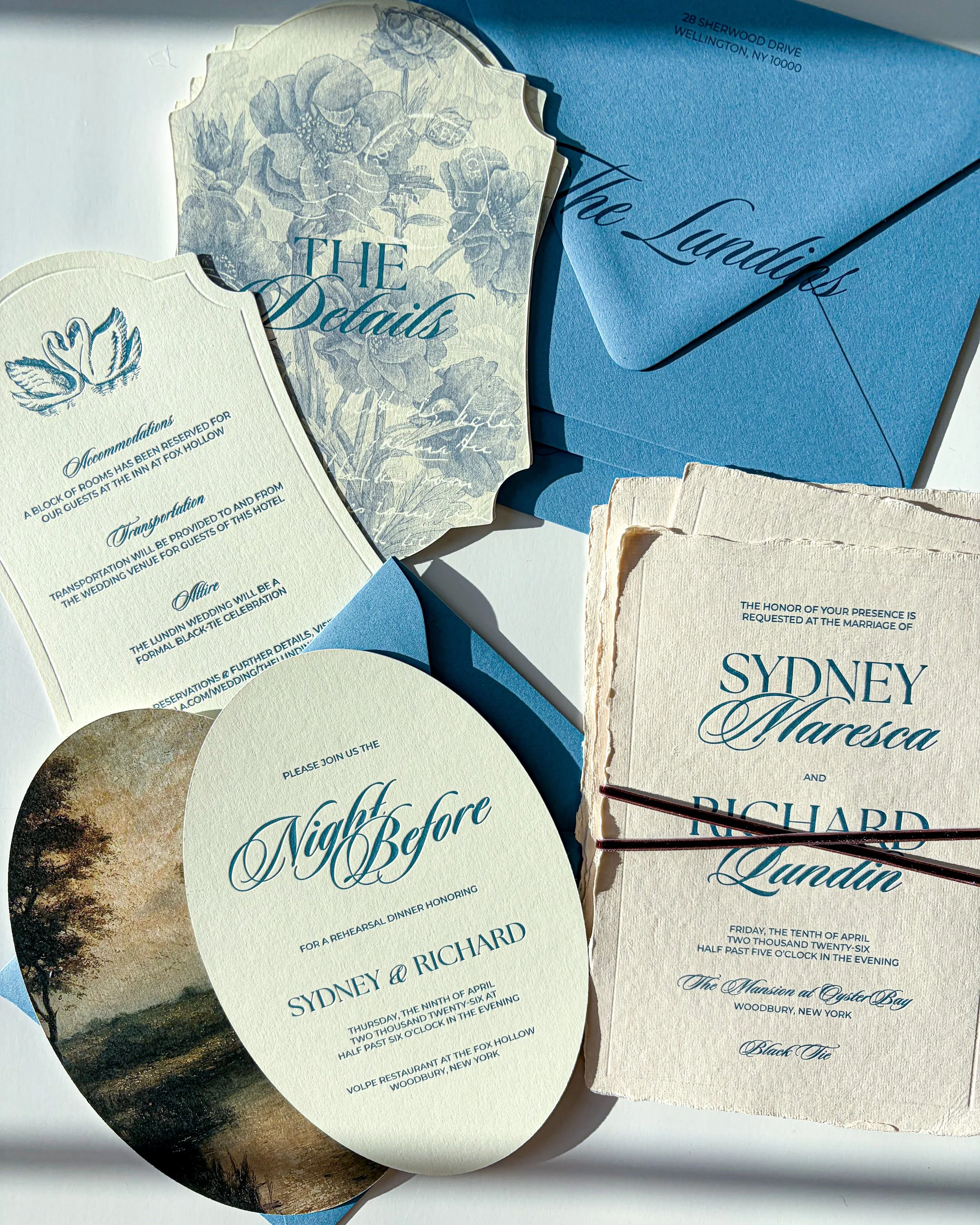
You don't necessarily have to choose just one. Some of my favourite suites combine printing methods.
And you definitely don't need to add every speciality printing method available to make your invitations feel luxurious.
Sometimes one detail is enough to make a statement and make your invitations feel expensive.
The right combination depends on your design, paper, quantity and, of course, your budget. If you’re wondering how all of these choices affect the final cost, I broke down how wedding invitation pricing actually works in another post.
And the good news is, you don’t have to figure it out yourself. That’s what I’m here for.
